Caves, Ancient Cities, Mines and Hidden Worlds Beneath the Surface
Bulgaria is one of Europe’s most underestimated destinations when it comes to underground tourism. Beneath its mountains, cities and historical landmarks lies an extraordinary network of prehistoric caves, ancient mines, Roman ruins, medieval tunnels and Cold War bunkers. Some of these sites rank among the oldest and most important underground heritage locations in Europe, combining archaeology, geology, history and spectacular natural scenery.
This guide presents the most significant underground attractions in Bulgaria, from fully developed show caves to partially accessible historical sites, all described in a consistent, professional travel-guide format.
.
1. Magura Cave (Magurata Cave)
Location: Northwestern Bulgaria, near Belogradchik
Magura Cave is one of the most important archaeological caves in Europe. It is internationally renowned for its prehistoric rock paintings, dated to the Neolithic, Chalcolithic and Bronze Age. The paintings depict hunting scenes, ritual dances, animals and symbolic figures, offering rare insight into early human belief systems.
The cave itself consists of vast halls and long karst corridors, making it one of Bulgaria’s largest cave systems.
Highlights:
UNESCO-listed prehistoric cave paintings (tentative list)
Massive chambers with excellent acoustics
Strong archaeological and cultural value
Practical information:
Access: guided tours only
Best season: year-round
.
2. Bacho Kiro Cave
Location: Central Bulgaria, near Dryanovo Monastery
Bacho Kiro Cave was the first cave in Bulgaria opened to tourists and is a landmark site in European Paleolithic research. Archaeological discoveries here include some of the earliest evidence of modern humans in Europe, dating back over 45,000 years.
The cave lies within a scenic nature park and is closely linked to the nearby Dryanovo Monastery, making it an excellent combined cultural and natural destination.
Highlights:
Key Paleolithic archaeological site
Easy tourist route with lighting and safety infrastructure
Historical and religious surroundings
.
3. Devetashka Cave
Location: Near Lovech, Central Northern Bulgaria
Devetashka Cave is one of the largest and most visually impressive caves in Europe. Its enormous vault is pierced by natural ceiling openings that flood the interior with daylight, creating a dramatic atmosphere.
The cave is also an important bat habitat, which means access may be seasonally restricted for conservation reasons.
Highlights:
Monumental cave chamber
Unique natural lighting
Film location for international productions
.
4. Prohodna Cave – “The Eyes of God”
Location: Near Karlukovo, Central Bulgaria
Prohodna Cave is famous for its two symmetrical roof openings, popularly known as the “Eyes of God”. The cave is a natural tunnel, open at both ends, and easily accessible.
It is popular among photographers, climbers and adventure tourists, while also holding geological significance.
Highlights:
Iconic natural formation
Easy access and free entry
Rock climbing routes nearby
.
5. Ledenika Cave
Location: Vratsa Balkan Mountains
Ledenika is Bulgaria’s best-developed show cave, featuring impressive stalactites, stalagmites, columns and seasonal ice formations. It is suitable for all age groups and is a cornerstone of cave tourism in the country.
Highlights:
Well-lit tourist infrastructure
Ice formations and karst scenery
Interactive sound-and-light installations
.
6. Saeva Dupka Cave
Location: Near Yablanitsa, Central Bulgaria
Saeva Dupka is renowned for its exceptionally pure white formations and excellent acoustics. Concerts and cultural events are occasionally held inside the cave, thanks to its natural sound quality.
Highlights:
Crystal-white cave formations
Musical and cultural events
Compact but visually striking route
.
7. Ancient Underground Plovdiv (Philippopolis)
Location: Plovdiv Old Town
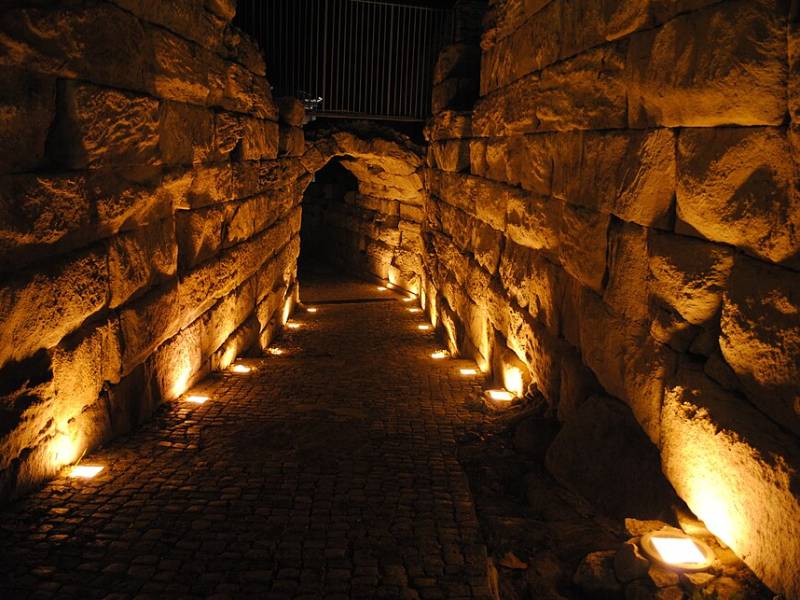
Beneath one of Europe’s oldest continuously inhabited cities lie Roman-era underground structures, including storage corridors, foundations and parts of the ancient stadium. These remains reveal the complexity of urban planning in Roman Philippopolis.
Highlights:
Roman underground infrastructure
Integration with an active modern city
Archaeological authenticity
.
8. Tsarevets Fortress Underground Structures
Location: Veliko Tarnovo
The medieval capital of the Second Bulgarian Empire hides subterranean passages, storage chambers and escape routes beneath Tsarevets Fortress. These underground features played a crucial defensive and logistical role during sieges.
Highlights:
Medieval military architecture
Strategic underground design
UNESCO-listed historical area
.
9. Buzludzha Monument Underground Facilities
Location: Central Balkan Mountains
The iconic Buzludzha Monument includes a system of technical and service underground spaces, originally designed for logistics and security. While access is limited, guided visits are possible as part of conservation and educational projects.
Highlights:
Cold War architecture
Restricted-access underground zones
Unique historical symbolism
.
10. Cold War Shelters and Bunkers of Sofia
Location: Sofia
Sofia preserves several Cold War-era underground shelters, some of which are accessible through guided tours. These bunkers provide insight into Bulgaria’s role during the Eastern Bloc period.
Highlights:
Nuclear-era civil defense infrastructure
Guided thematic tours
Urban underground exploration
.
11. Yagodinska Cave and Trigrad Gorge Underground Areas
Location: Rhodope Mountains
The Yagodinska Cave system is one of Bulgaria’s longest and is located near areas historically used for mineral extraction and shelter. It combines speleology, folklore and dramatic mountain landscapes.
.
12. Ancient and Historic Mines of the Rhodope Mountains
Location: Southern Bulgaria
The Rhodope Mountains form one of Europe’s oldest mining regions, exploited since the Bronze Age. Ancient Thracians, Romans and later civilizations mined gold, silver, lead and zinc here.
While most mines are not mass-tourism sites, several locations function as museum complexes or educational trails.
.
Key locations:
Zlatograd Mining and Craft Museum
Smolyan Region (select guided access)
.
Highlights:
Ancient mining history
Archaeological and geological value
Authentic, non-commercial atmosphere
.
Why Bulgaria for Underground Tourism?
One of the highest densities of caves in Europe
Exceptional mix of natural and man-made underground sites
Strong archaeological credibility
Affordable prices and low visitor pressure
Bulgaria’s underground attractions appeal especially to cultural travelers, history enthusiasts, adventure tourists and photographers seeking destinations beyond mainstream European routes.
.
.
Compiled & photography by: Albin Marciniak
Photojournalist, traveler and journalist specializing in the exploration of underground tourist attractions. Founder of the “Śródziemie” Travelers’ Club and the Travel Inspiration Portal topeurope.eu
https://www.facebook.com/marciniak.albin/
.
.
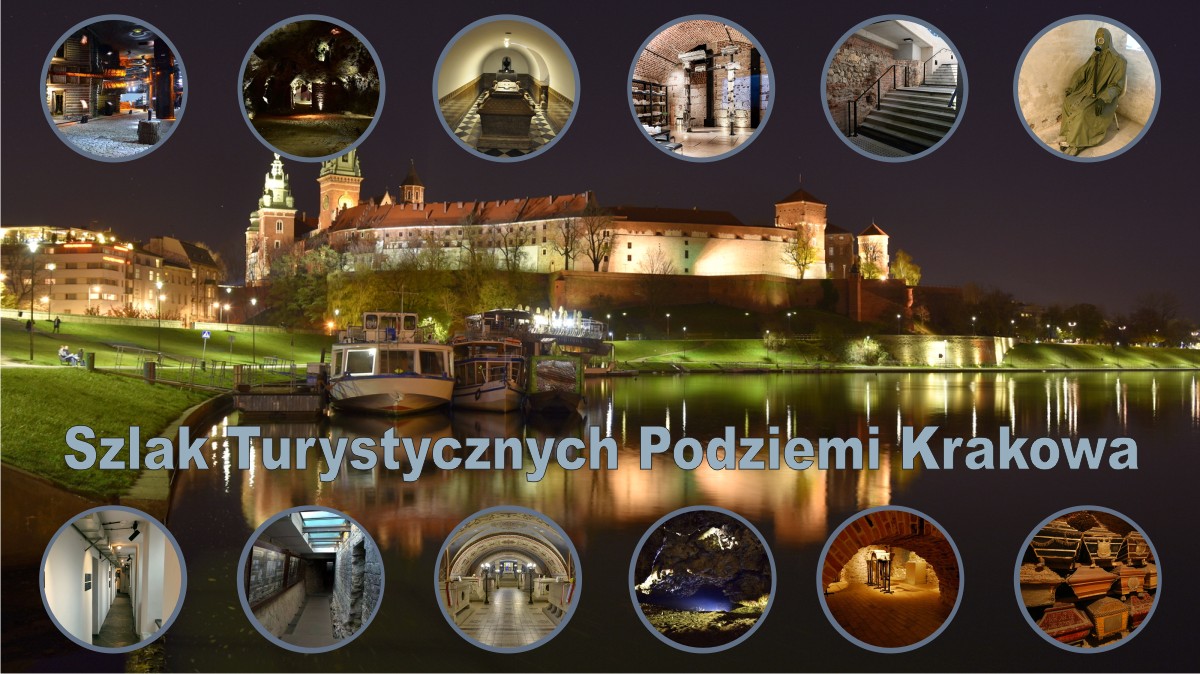
Underground Kraków – The City’s Tourist Underground Route
.
https://topeurope.eu/relacje/polska/podziemia/4394-podziemny-krakow-odkryj-szlak-turystycznych-podziemi-miasta